
9 min
Why an 11-Second Loop Beats My Hero Video
I wanted a 35-second hero video. I built an 11-second loop instead: it loads faster, never shifts the layout, and lands the whole message in eleven seconds.
Technical How-tos
Notes from my AI practice: agentic coding, multi-agent architecture, SME use cases.
I wanted a 35-second hero video. I built an 11-second loop instead: it loads faster, never shifts the layout, and lands the whole message in eleven seconds.
FeedFoundry renders my Instagram text deterministically from templates, BuilderBob posts on its own and learns from real engagement back into planning.

WalkAITalkie transcribes meetings fully on-device: minutes, action items and an email draft are built locally on your Mac, no cloud, unlike Otter or Granola.
Claude cuts my YouTube talks in the terminal: the agent proposes every cut, I approve, then it renders and uploads. One hundred percent local, no cloud.
How I turn my preparation document for a panel into audio with NotebookLM and listen to it on the way there – a small workflow that makes gaps audible.

waff Future Fit Festival, web3 hub vienna and Vienna Software Architecture Meetup: three appearances back to back, because I build, not the other way around.
A 0 Euro, on-device assistant for macOS Mail.app: PII redaction before every LLM call, plus a silent macOS 26.5 bug that killed its fast SQLite query.
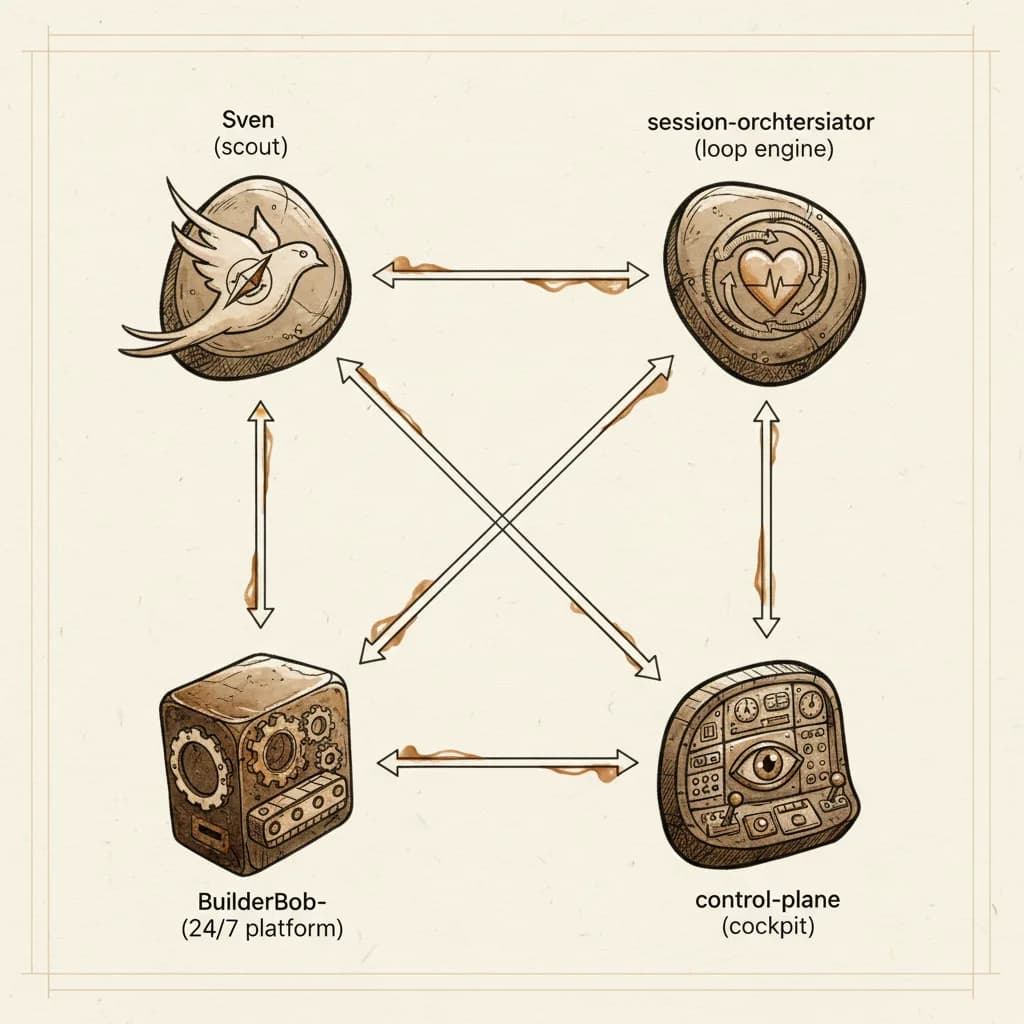
Three agents run around the clock: Sven scouts AI ideas, BuilderBob runs agenticbuilders.at with 19 cron jobs; session-orchestrator drives a gated coding loop.

An open-source multi-agent tool matures in 9 days across 18 sessions: from the /plan to /evolve lifecycle across four runtimes. What daily self-use made of it.
Established companies with approval processes lag on AI not from inertia, but due to a growing gap between what tools can do and what their structures allow.
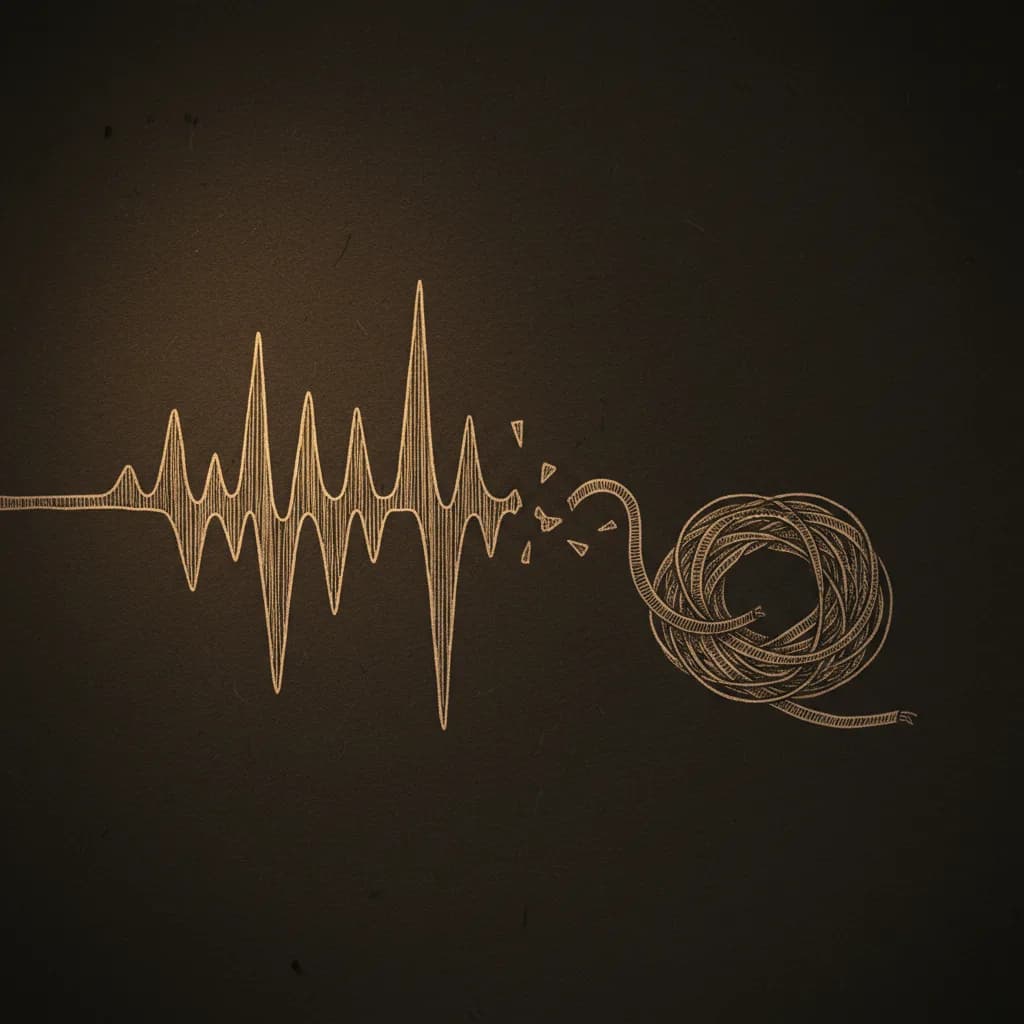
A Whisper default replaced 13 minutes of my first real end-to-end transcript with a hallucination loop. The diagnosis, the fix and four transferable lessons.
AI-assisted development has shifted its bottleneck from writing code to judging it. Why verification now matters, from daily practice, not theory.

Qwen3.6-35B technically loaded on an M4 Pro 24 GB at 100% GPU, yet ran at 0.1 tokens per second. A quiet failure, five lessons and hardware recommendations.
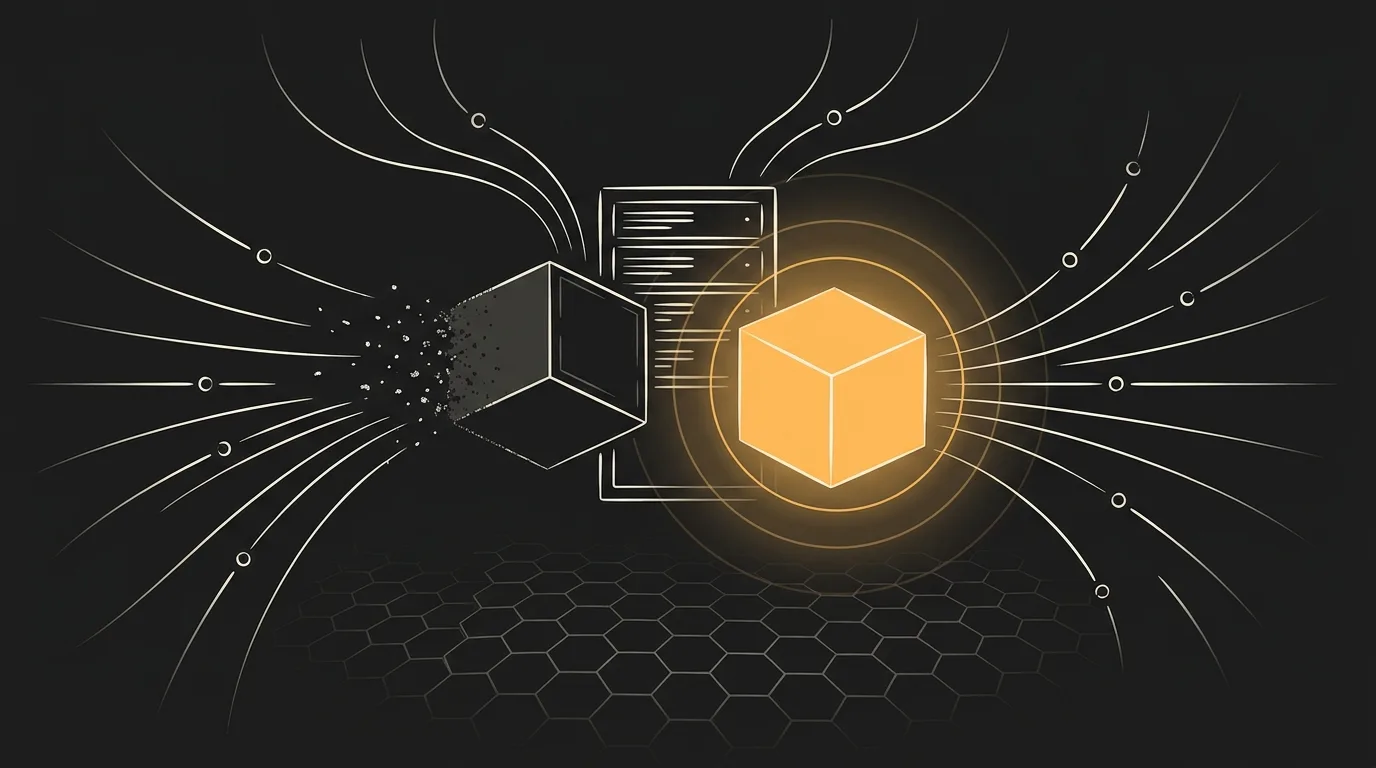
After two months and 1,052 commits, my autonomous infrastructure's AI moved from OpenClaw to Hermes Agent by Nous Research. The learning loop decided it.
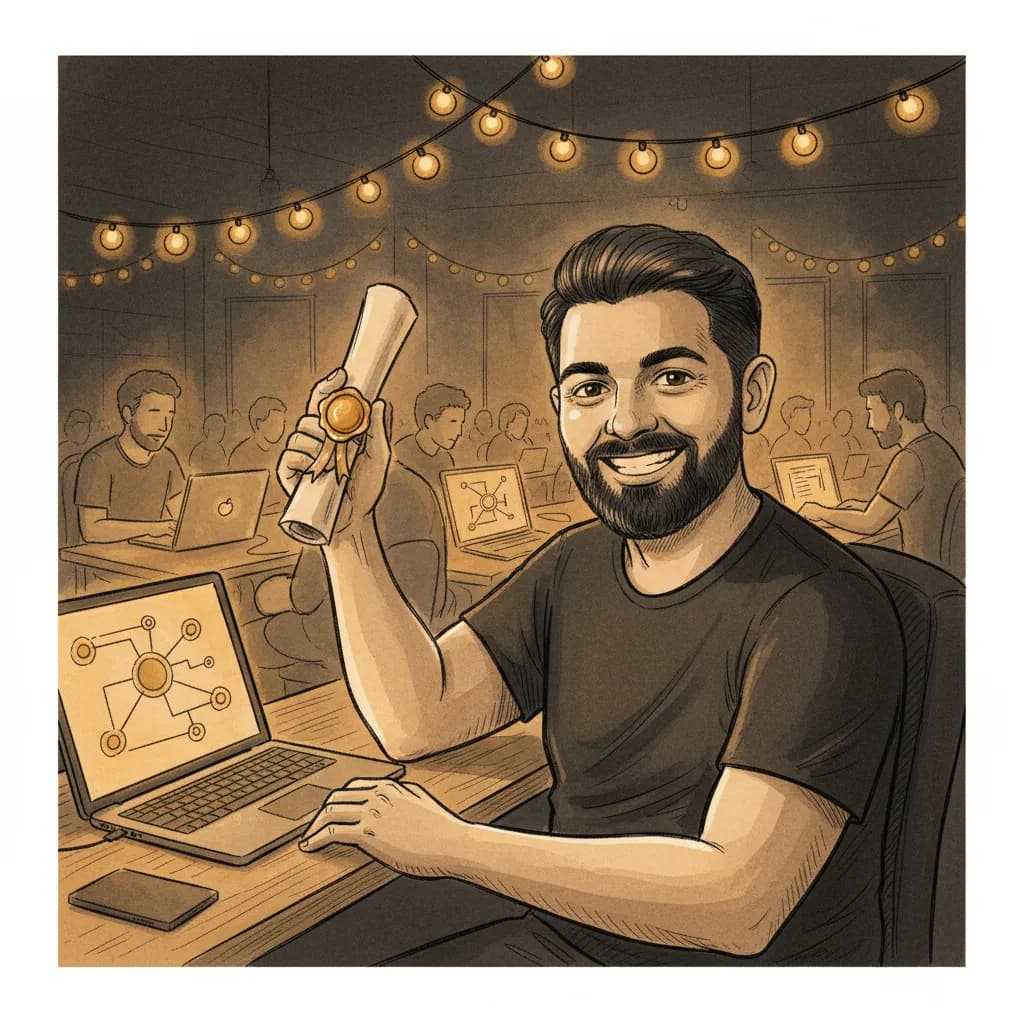
Two weeks after my first hackathon: 1st place at BitGN PAC 2026 at AI Factory Austria, Vienna. Autonomous AI agent, 104 tasks, 5 security layers, blind scoring.
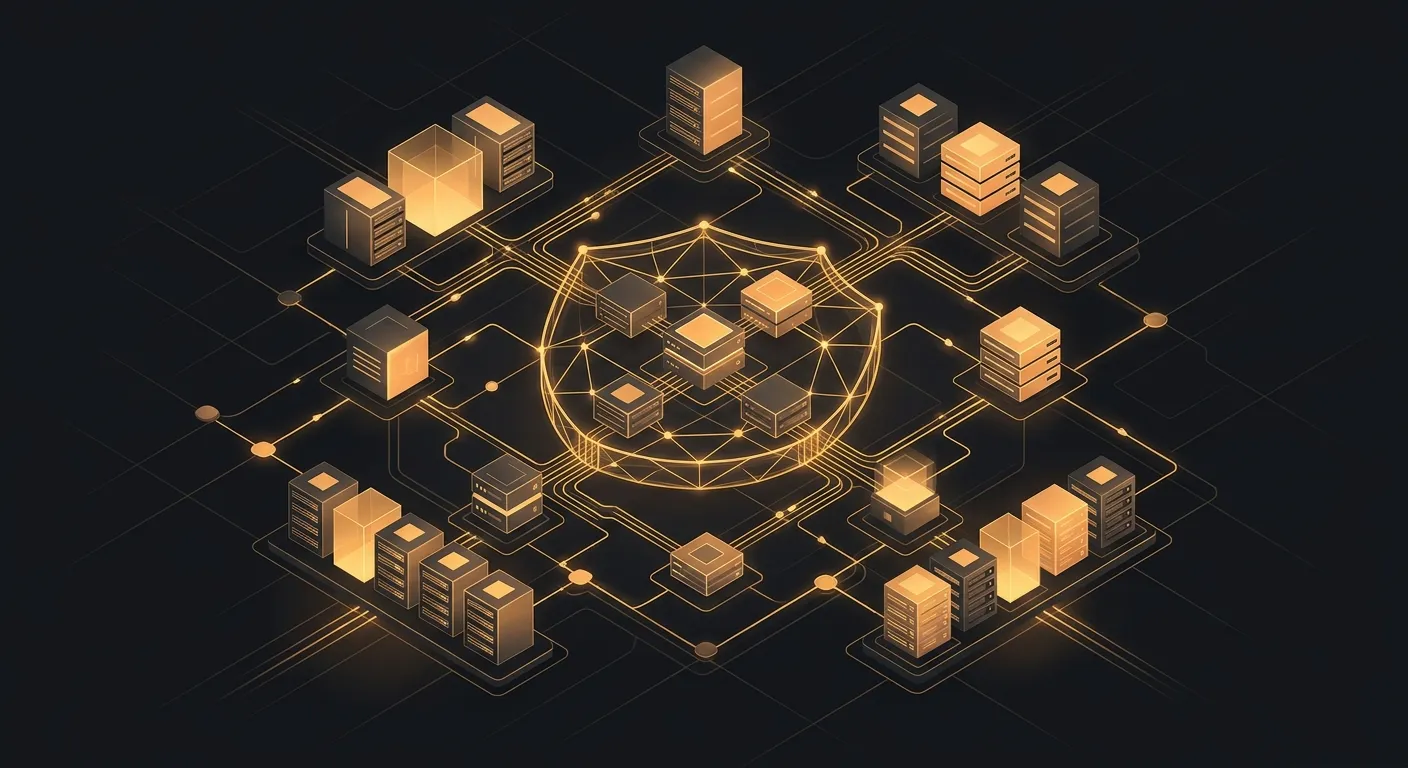
CLOUD Act, GDPR, self-hosting: which AI stack fits your project? A practical framework with real costs and three reference scenarios.
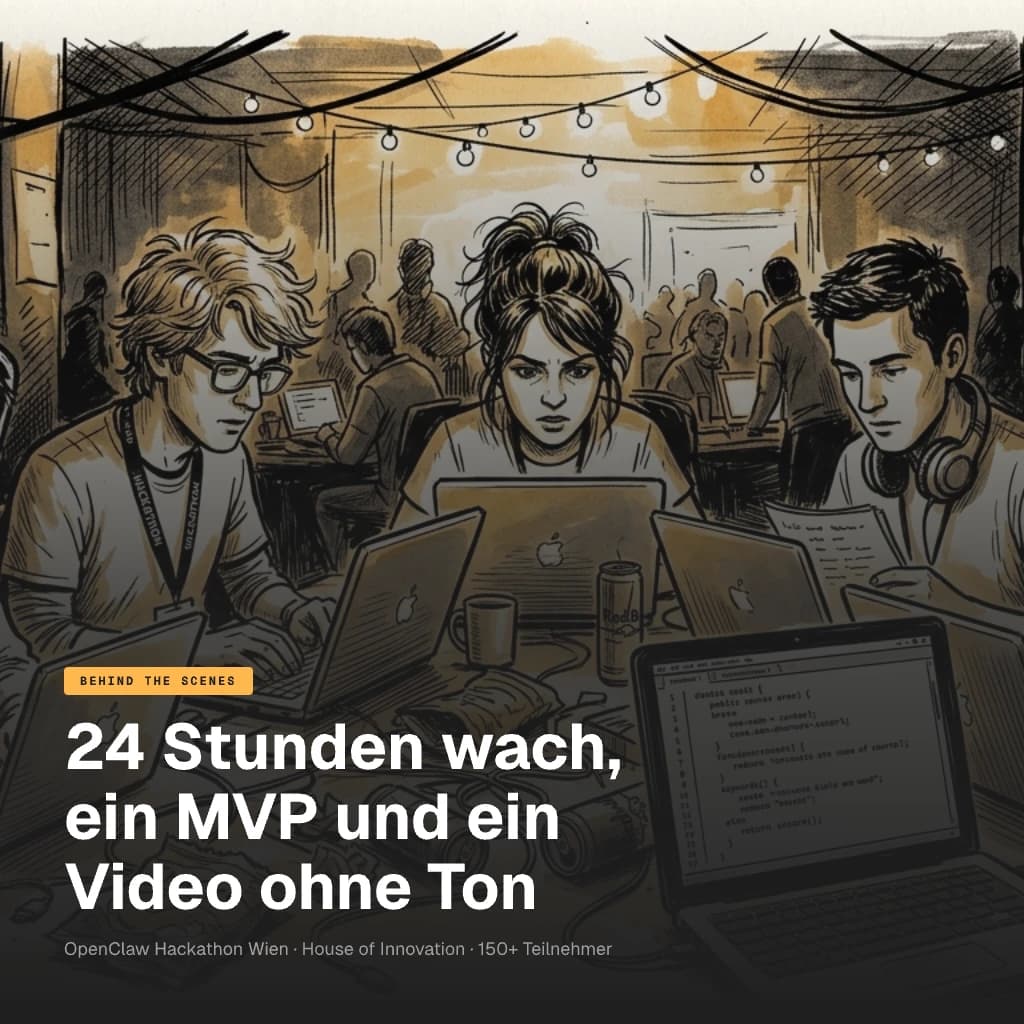
At OpenClaw Hackathon Vienna, 150+ met at House of Innovation. Four people built an AI-powered B2B sales agent in one night, then made a video without sound.
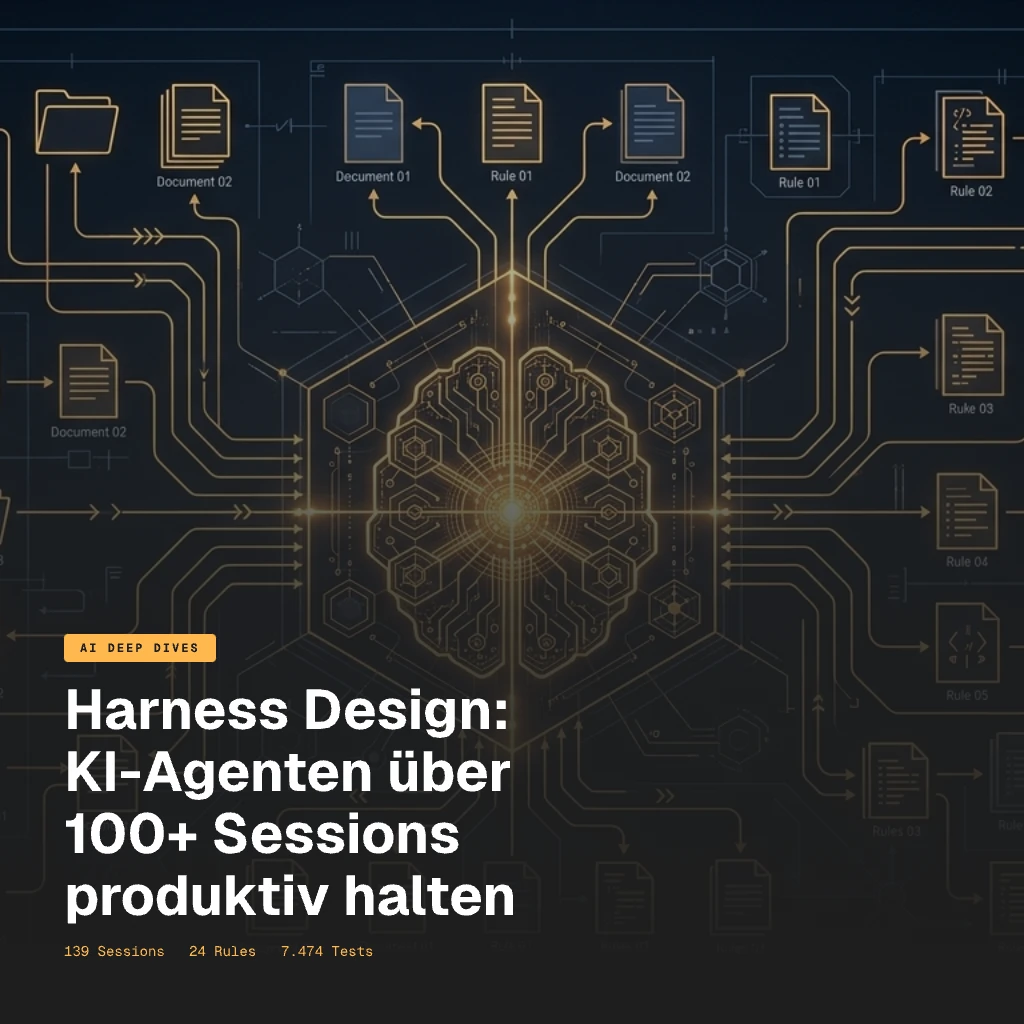
After 3,000+ sessions with Claude Code: what prevents AI agents from drifting in long-running projects. CLAUDE.md, Rules, Session Handovers and Quality Gates.
An honest week as a solo founder: GitLab migration, n8n automations, a live content pipeline on Instagram, and how far AI agents can really go today.
Harvard Business Review named 9 work trends for 2026. A European solo builder who ships daily weighs up where practice supports them and where it does not.

AI for small and medium enterprises: what actually works, what really drives the effort, and how to get started without the hype.
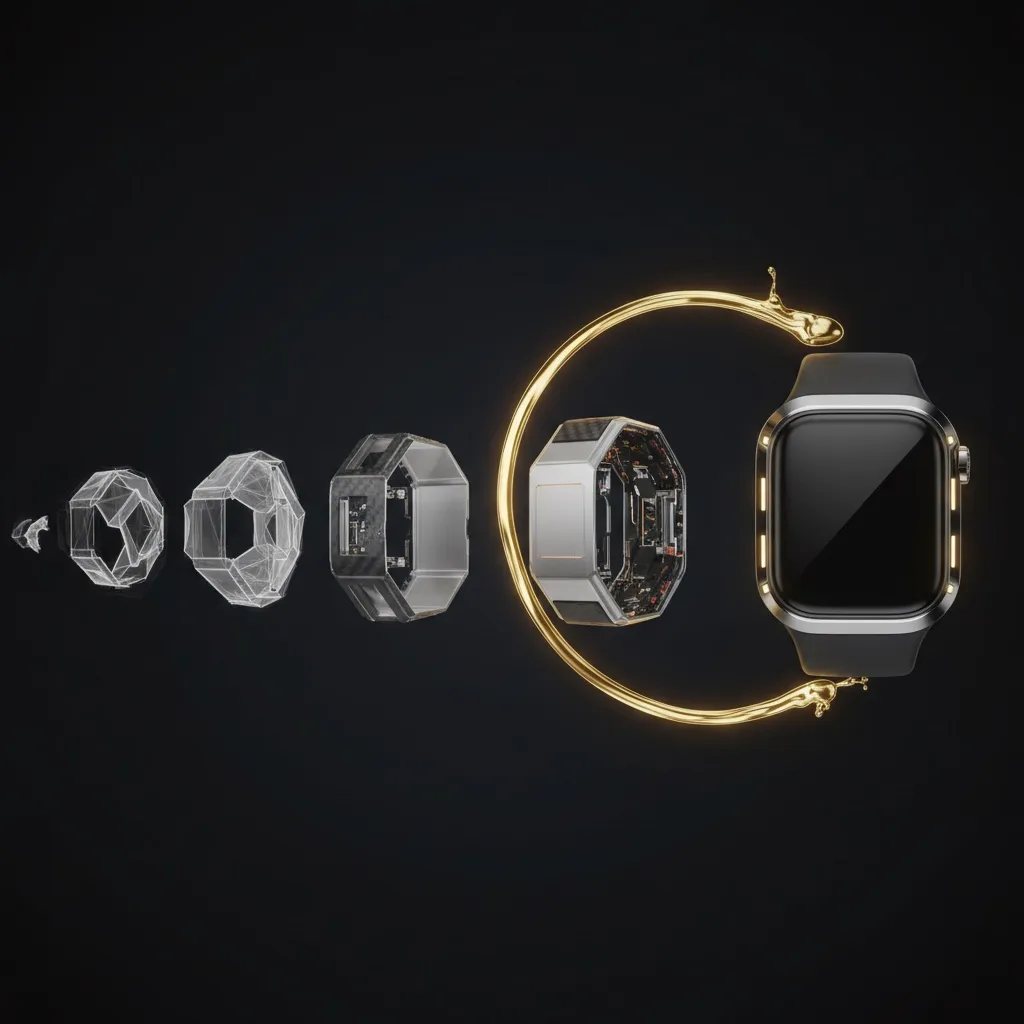
The most expensive mistake in AI projects is not in the technology, it is in the step from prototype to product. An honest report from my own practice.